SWARM.
INTERCEPT.
DOMINATE.
Persistent recoverable counter-UAS interceptors with 36-second turnaround. Dramatically lower cost per engagement through recoverable airframes. 100+ airborne sensor nodes delivering +20 dB coherent SNR. Single 40-ft ISO container. No support fleet.
The Maritime C-UAS Gap Is Real. And It’s Getting Worse.
Low-cost unmanned aerial systems have fundamentally shifted the cost calculus of modern maritime conflict. Every port, every naval vessel, every critical waterway is now within range of a $5,000 drone carrying a $500 warhead. The DoD’s current answer costs 100 times more per engagement than the threat.
Cost Asymmetry
Threat UAS cost $2K–$50K. Current interceptors cost $40K–$2.1M per engagement. Adversaries manufacture attack drones faster and cheaper than the U.S. can manufacture the missiles to stop them.
Magazine Depth
Shipboard missile inventories are finite and irreplaceable at sea. Every C-UAS missile fired is one fewer available for anti-ship cruise missile defense when it matters most.
Saturation Vulnerability
Current systems engage threats sequentially or in small numbers. Against coordinated swarms of 20–50+ threat UAS — a capability state and non-state actors are actively fielding — existing defenses are overwhelmed.
Operator Bottleneck
Most C-UAS platforms require one operator per interceptor or per engagement. This manpower constraint becomes a mission-critical failure point during saturation attacks.
CASI: Containerized Autonomous Swarm Interceptor
A fully self-contained C-UAS system packaged in a standard 40-foot ISO shipping container. Deploy to any vessel, base, border, port, or fixed site. No structural modifications. Minimal crew. Operational in hours, not months.
Persistent Swarm
Containerized interceptor system in a single 40-ft ISO container. Dual-function carousel simultaneously recharges batteries and refuels direct methanol fuel cells. 36-second turnaround enables persistent recoverable patrol.
Autonomous Intercept
Each interceptor carries onboard EO/IR sensors and terminal guidance. Three mission-configurable engagement modes operate from the same platform — optimized by threat type and cost-exchange. The interceptor recovers undamaged for carousel relaunch in 36 seconds.
Continuous Reconstitution
36-second dual-function carousel: simultaneous battery recharge + direct methanol fuel cell refuel. Interceptors return, service, and relaunch. Dual-mode power: DMFC (1-4 hr loiter) + NMC 811 battery (sprint intercept).
Minimal Crew
Operations are fully autonomous — launch, patrol, detect, recover, and battery swap require zero human intervention. Sensor-only missions run unattended. Kinetic engagements maintain human-on-the-loop. 0-3 personnel depending on mission profile.
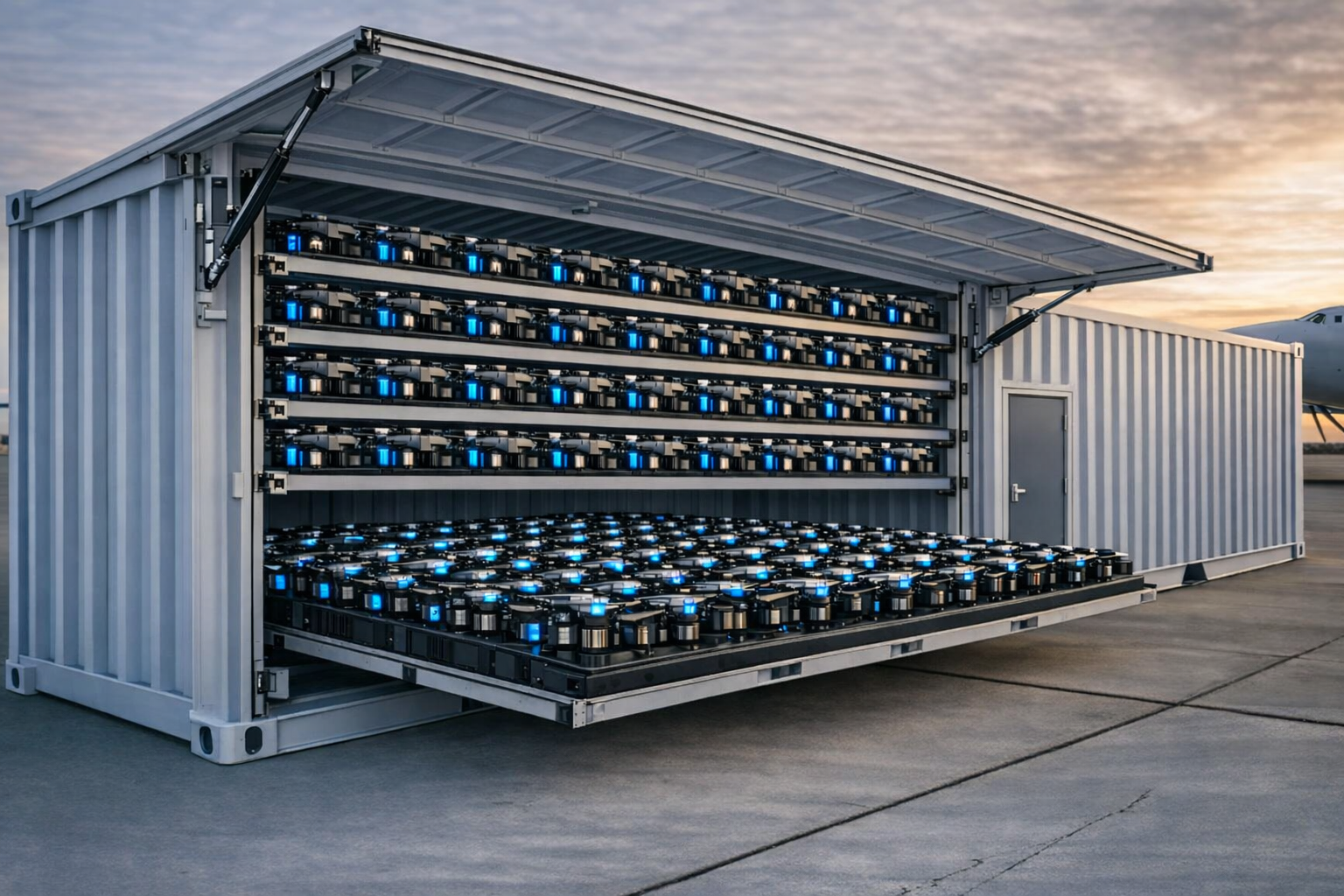
Standard ISO container. Any vessel. Any port. Any shore site.
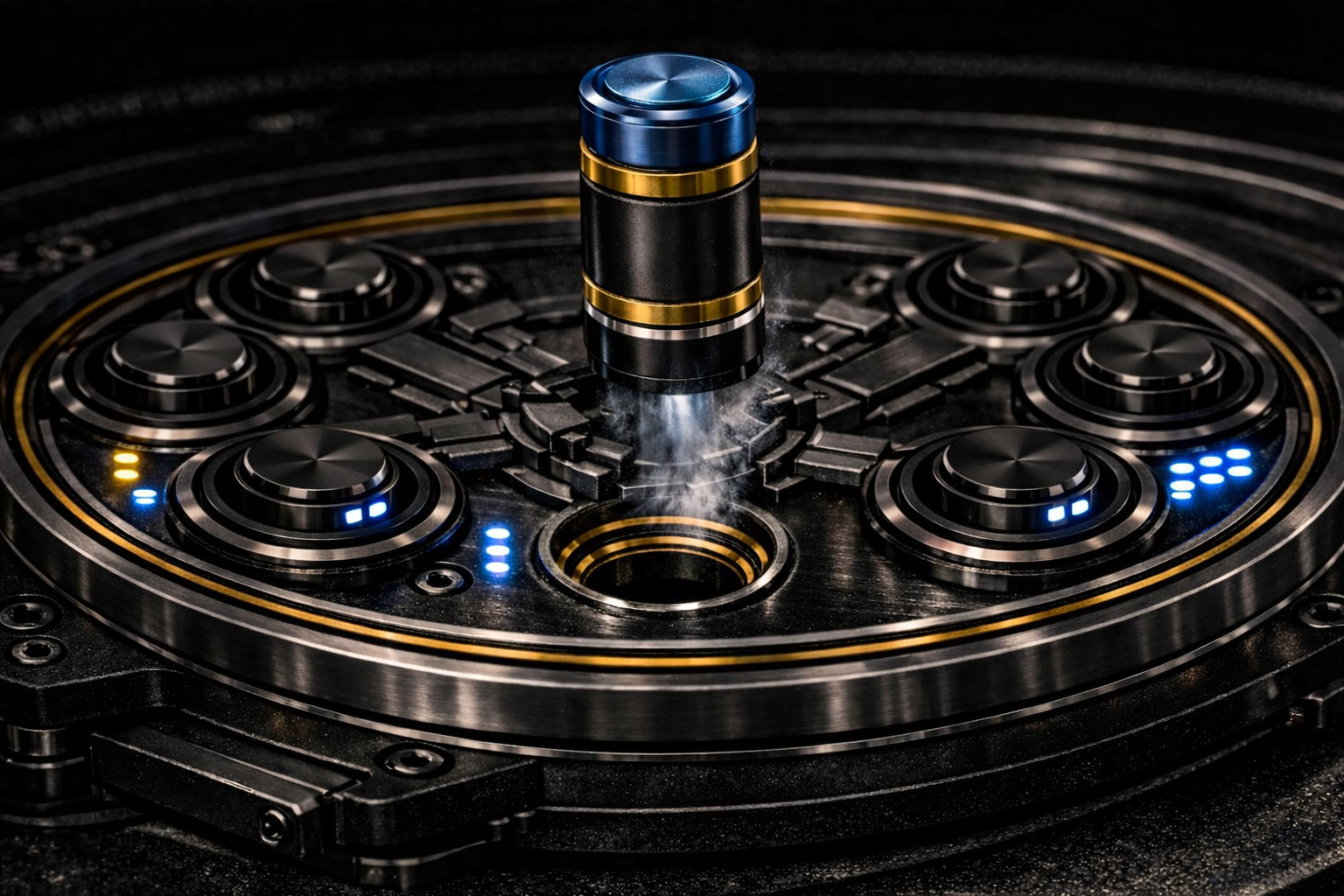
36-second autonomous battery exchange. The core innovation.
The Math Doesn’t Lie.
Recoverable interceptors at dramatically lower cost vs. $40K+ expendable alternatives. A persistent airborne sensor mesh that extends ship radar detection horizon. Single-container expeditionary deployment with no support fleet.
| Metric | SPINDLE | Legacy C-UAS |
|---|---|---|
| Cost per engagement (recoverable) | Dramatically lower (recoverable airframes, sub-dollar consumables) | $40K+ (Iron Dome Tamir) |
| Endurance per sortie | 1-4 hr target (DMFC + battery hybrid) | 7-20 min (battery only) |
| Turnaround (recoverable) | 36 seconds (design target) | N/A (expendable) |
| Launch/recovery footprint | 1 × 40-ft ISO container | Dedicated launcher + support fleet |
| External infrastructure | Ship power or generator module + methanol | Power, water, ammo, fuel, crew |
| Persistent airborne sensor nodes | 100+ per defended area | Zero |
| Kill mechanism | Three mission-configurable kinetic modes (recoverable) | Explosive warhead (expendable) |
One Platform. Every Domain.
The containerized form factor is the force multiplier. The same system that protects a Navy destroyer protects a city, a border, or a forward operating base. Deploy in hours. Scale by addition. Multiple pods create overlapping defense zones.
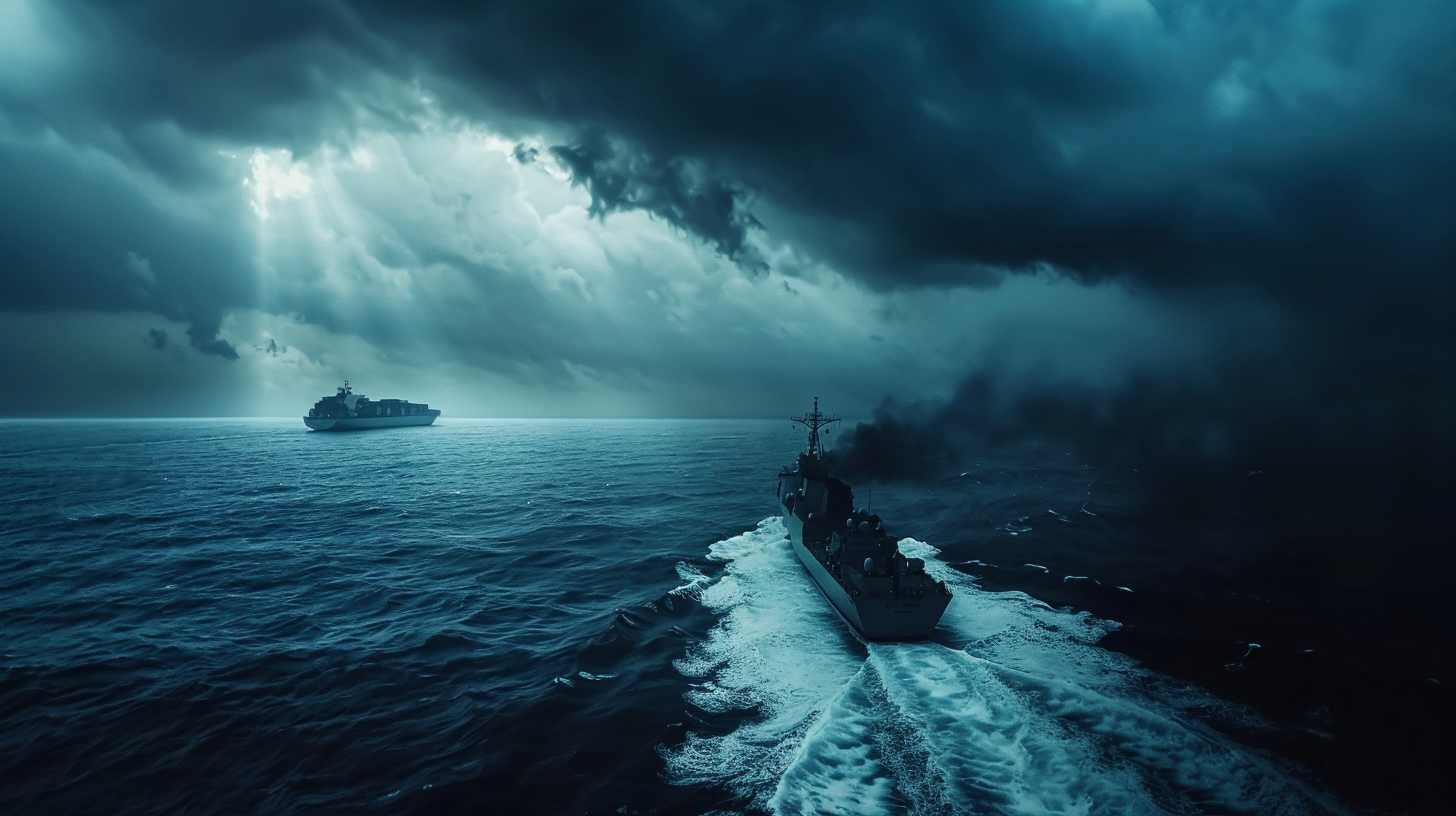
Naval Defense
Ship-mounted CASI containers integrate with Aegis, SSDS, and combat management systems via Link 16. Scalable from patrol craft (2 containers) to amphibious ships (8+). No ship modification required.
Land & Base Defense
Forward operating bases, airfields, power plants, data centers, government buildings. Drop containers on a concrete pad — operational in under two hours. Sensor-only mode runs fully autonomous with zero onsite personnel.
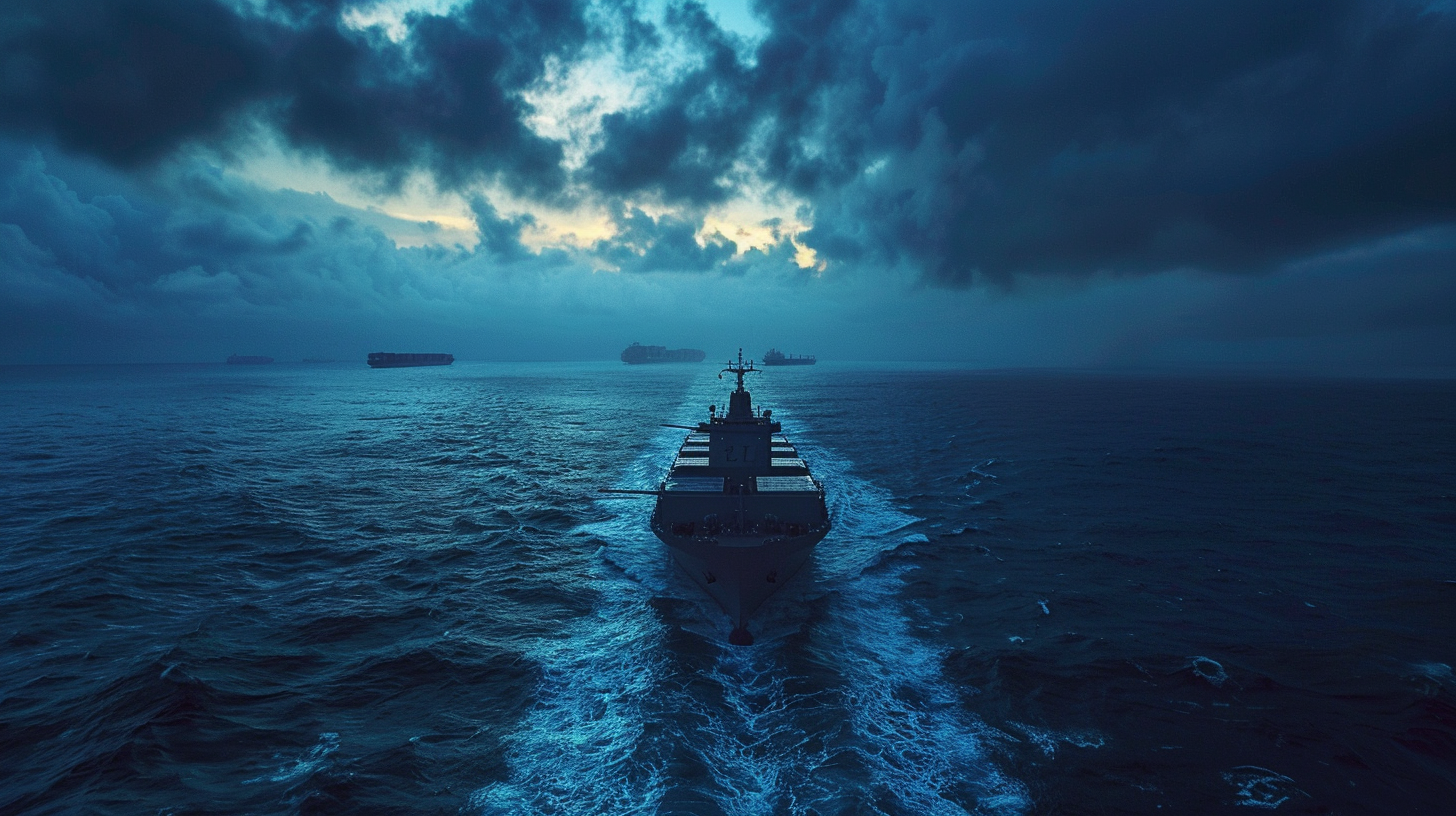
Multi-Pod Formations
Multiple containers deployed in strategic formations — diamond, corridor, or perimeter — create overlapping defense bubbles. Multiple containers scale to protect harbors, bases, and cities. Pods coordinate via unjammable laser link with airborne drone relay backup.
Critical Infrastructure & Border
Airports, ports, pipelines, border zones, National Security Special Events. Tier 1 sensor-only deployment detects and tracks threats without kinetic engagement. Upgradeable to full intercept when authorized.
Stadiums, Arenas & Events
Sensor-only drone network provides persistent aerial surveillance over high-value gatherings. Acoustic detection, visual tracking, and automated mass notification — all without kinetic engagement. Integrates with civil airspace via ADS-B.
Self-Relocating Containers
Containers autonomously reposition to evade incoming threats or optimize defense geometry. Mounted on vehicles, trailers, or autonomous ground platforms, CASI units relocate without human intervention to maintain coverage.
Defense System Integration
Designed for integration with Aegis, Patriot, NASAMS, and Iron Dome. Automated threat deconfliction allocates drones to slow threats, preserves missiles for cruise missile defense. Link 16 native.
Allied & Partner Nations
FMS and DCS pathways to NATO and Indo-Pacific allies facing identical C-UAS gaps. Containerized form factor simplifies export logistics. Same platform, any nation.
Built on Proven Foundations. Engineered for Production.
SPINDLE integrates commercially mature subsystems — DMFC stacks, NMC 811 cells, BeCu spring-finger contacts, Staubli quick-disconnects, stepper drives, ISO container structure, Link 16 interfaces — into a novel dual-function carousel architecture protected by 100 provisional patents with 2,400+ unique claims. The deepest IP portfolio in containerized C-UAS.
SPINDLE enters Phase I at TRL 4 per DoD Table 1. Every individual subsystem is commercially available at TRL 7-9. The integration of the dual-function carousel mechanism is the specific subject of Phase I research.
Supply chain strategy prioritizes NDAA §889 compliant sources. Korean battery cells (Samsung SDI / LG) and domestic motor suppliers identified as primary paths. Detailed supply chain due diligence in progress for all critical subsystems.
Built by Americans.
For the Mission.
SPINDLE Defense is an Aurora, Colorado-based defense technology company founded to solve a problem the commercial drone industry created: the mass proliferation of low-cost UAS has outpaced every fielded defense system designed to stop them.
We hold the deepest patent portfolio in containerized C-UAS — 100 provisional patent applications filed at USPTO with claims covering every subsystem from dual-function carousel servicing and direct methanol fuel cell integration to distributed airborne sensor fusion and autonomous engagement decision logic. We are seeking Phase I partnerships to bring the dual-function carousel — the enabling subsystem — from validated TRL 4 to prototype.
We are a nontraditional defense contractor. Pre-revenue. Fully self-funded. 100% U.S.-owned with no foreign obligations, no VC constraints, and no competing loyalties. Our IP is wholly owned and unencumbered.
Ready to Close the Gap?
Request a capability brief, schedule a technical overview, or discuss partnership and prototype development opportunities.